Verbal de-escalation
Communication frameworks for calming an agitated person, recognizing behavioral triggers early, and talking a volatile situation down before it becomes physical.


For healthcare organizations
De-escalation tactics and safety protocols for nurses, triage personnel, front-desk staff and clinical teams — built for the realities of a working medical environment.
Why this exists
Frontline staff deal with unpredictable behavior as part of the job. Without a framework, the instinctive response often escalates the situation rather than settling it.
Traditional models give a solid baseline. What they tend not to give is something fast and intuitive enough to use in an outpatient corridor, at a front desk, or in a treatment room with one other person in it.
This program is built for those rooms specifically — for the people who are not security, have no equipment, and need the situation to come down now.

The program
A specialized framework for healthcare professionals, administrative staff and clinical teams — covering verbal de-escalation, spatial management and personal safety awareness.
Communication frameworks for calming an agitated person, recognizing behavioral triggers early, and talking a volatile situation down before it becomes physical.
Recognizing when a situation is escalating, keeping safe distance and positioning, and maintaining a clear route to an exit in restrictive clinical layouts.
Layout evaluation, entry and exit assessment, and practical checklists for waiting areas, treatment rooms and administrative spaces.
How it is delivered
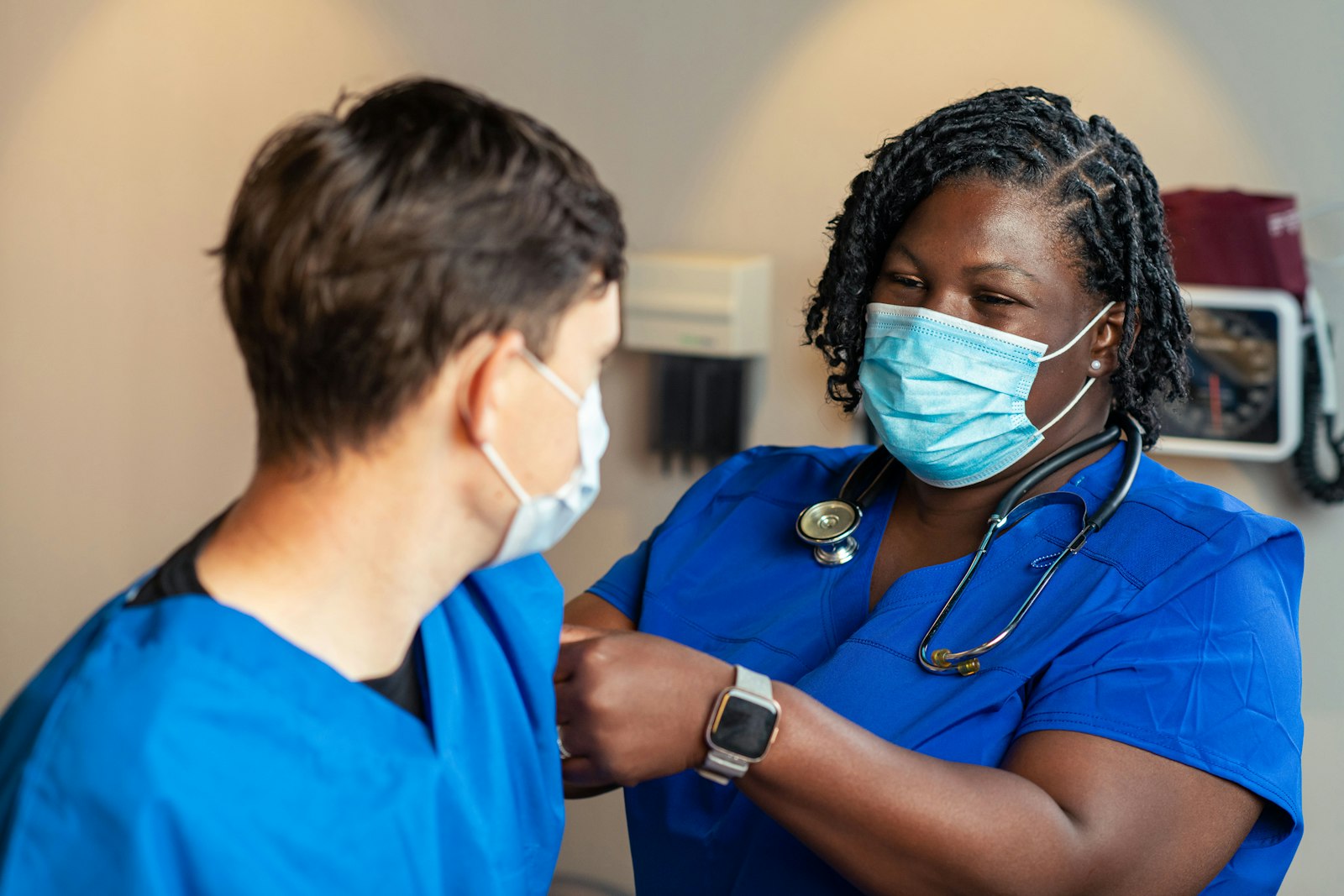
On-site training built around your hospital, clinic or outpatient facility — your rooms, your layout, your team.
Focused, intensive sessions on rapid assessment, boundary-setting and practical safety drills.
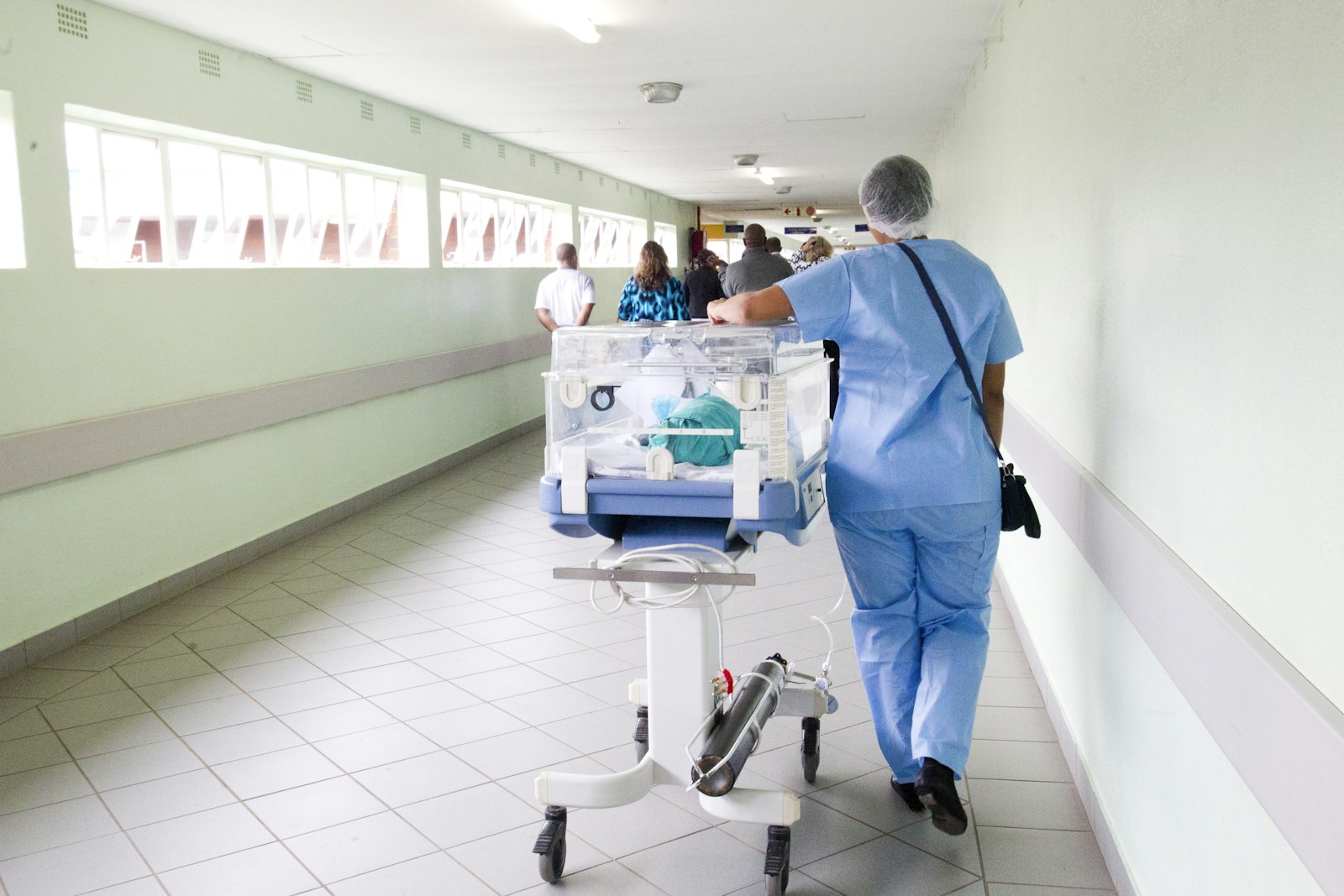
Individual instruction for providers or security personnel who want to sharpen their own response.
What you keep afterwards
Every workshop leaves your organization with a paper trail of what was delivered, to whom, and when.
These are Safe Care Solutions’ own training records. Whether they satisfy a particular standard, inspection or internal policy is a decision for your compliance team — see below.
These are existing published testimonials about training with the instructor. They speak to how he teaches, not to the healthcare program on this page.
Ernest was amazing! Very Professional, flexible and easy to work with. We booked a self defense class for an employee event. Ernest made sure he was able to cover all levels to make it personalized and comfortable for everyone. He even guided each person individually. Everyone had a great time!
Ej is awesome. He is very patient with you as you learn with each session. He is very personable and fun to train with. If you are looking into self defense I would highly recommend his services. He has professional knowledge in various mma styles and will focus on your goal with you. One year with him now and could’ve not been more pleased:))
I have been training with Ernest for the majority of this year and it has changed my life! My confidence has skyrocketed and I feel strong in my self defense abilities which, as a woman, is a huge relief. He is a great teacher and adapts to your learning pace while maintaining consistent encouragement to push your hardest. His communication is clear which makes it easy to absorb the lessons and his professionalism is always consistent. Not only that, but he is an all around nice guy and I look forward to our sessions each and every time. My journey has gone from wanting to learn general self defense to finding a passion behind the art of it and integrating it into my life regularly.
Reviews of Ernest’s instruction from Titan Self Defense students.
How we teach
Most escalation in a clinical setting is visible before it is loud. The training is built around noticing it early and having something practised to do next — in the rooms your staff actually work in, not in a gym.
Get in touch
Tell us about your facility and we will come back with a format, a timeline and a price.